Cafe Startup Costs: What Every Owner Should Know
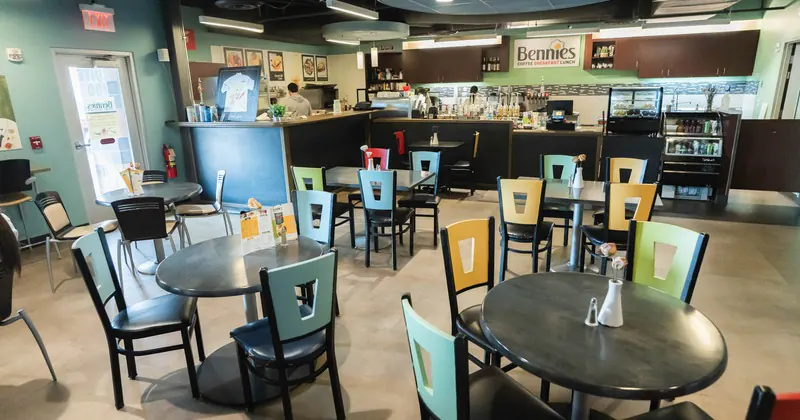
Opening a cafe looks simple from the sidewalk. A few tables, an espresso machine, a pastry case, warm lighting, maybe a playlist that makes people stay for another fifteen minutes. From the owner’s side of the counter, it is a capital-intensive business with a thousand small decisions that all carry a price tag. Some are obvious, like rent and equipment. Others arrive late, when cash is already tight, like grease trap cleaning, permit revisions, spoiled inventory, or the second repair call on a used grinder that seemed like a bargain.
Most first-time owners underestimate startup costs for one reason above all: they price the dream, not the operating reality. They budget for opening day and forget the weeks before opening, the first soft month after launch, and the cash buffer needed when sales are lower than expected. A cafe can absolutely become a healthy business, but only if the owner builds the budget around how cafes actually run, not how they look on mood boards.
The real range, and why it varies so much
A small cafe can open for a relatively modest amount if the space already has plumbing, electrical capacity, ventilation, and a layout that fits food service. On the other hand, a cafe with a full kitchen, custom interiors, premium espresso equipment, and a prime urban lease can burn through a very large budget before serving its first latte.
In broad terms, many cafe startups land somewhere between $80,000 and $350,000, with some coming in below that and plenty going far above it. The lower end usually assumes a smaller footprint, a second-generation food service space, limited construction, used equipment where appropriate, and a tightly edited menu. The higher end often reflects major build-out work, high rent markets, design-heavy interiors, robust HVAC and electrical upgrades, extensive seating, and a larger opening inventory. If alcohol, on-site baking, or a full hot food program enters the plan, costs can climb fast.
The biggest mistake is treating someone else’s number as a benchmark without context. A 900-square-foot neighborhood cafe in a former sandwich shop is a different financial organism than a 2,200-square-foot all-day concept with brunch, cocktails, patio seating, and a pastry team.
Your location shapes almost every cost that follows
Owners often focus on rent, but the rent figure itself is only the beginning. The space determines permitting complexity, construction needs, seating capacity, workflow, utility demands, and even staffing levels. A cheap space that needs a full grease line, upgraded electrical service, ADA corrections, and a new restroom can quickly become more expensive than a pricier space that is nearly ready to operate.
A second-generation restaurant or cafe space usually saves money because some expensive infrastructure may already be in place. That can include floor drains, sinks, water filtration, grease management, proper electrical distribution, and customer restrooms. Even then, owners need to verify what still works, what is code-compliant, and what the landlord will actually deliver. “Restaurant-ready” is one of those phrases that sounds reassuring until the electrician opens the panel.
Expect occupancy costs to include more than base rent. Common area maintenance charges, property taxes passed through by the landlord, insurance requirements, security deposits, and personal guarantees all affect the startup budget. In some leases, the landlord contributes tenant improvement dollars. In others, the tenant bears nearly everything. The same monthly rent can hide two very different opening budgets depending on lease structure.
Build-out is where budgets get bruised
Construction and renovation commonly produce the largest surprise in a cafe startup. Paint and furniture rarely wreck the budget. Mechanical, electrical, plumbing, and code work do.
A cafe needs practical systems, not just an attractive room. Water lines must reach the espresso bar, hand sinks, mop sink, restroom, and kitchen prep area if you serve food. Electrical service must support espresso machines, brewers, grinders, refrigeration, dishwasher, HVAC, lighting, and point-of-sale equipment. If you add ovens, induction ranges, or panini presses, the load changes again. Ventilation requirements vary by menu and local code, but even limited food preparation can trigger costs owners did not expect.
Flooring, wall finishes, counters, millwork, seating, restroom upgrades, and signage all matter, yet the hidden expense usually sits behind the walls. A simple example: moving the bar sink six feet can seem minor in a sketch. Once concrete cutting, plumbing rerouting, inspections, and finish repair are added, that “small adjustment” can cost thousands.
Experienced operators carry a contingency fund for exactly this reason. Ten percent is the bare minimum in many cases. Fifteen percent to twenty percent is safer if the site is older or the plans are still evolving. The worst time to discover you need extra funds is when the contractor is halfway through, the landlord expects progress, and your opening date has already slipped.
Equipment is not just a shopping list
People love pricing espresso machines because they are tangible and easy to compare. One machine costs this much, another costs that much. In reality, equipment budgeting requires operational judgment. The right setup depends on projected volume, menu mix, service style, staff skill, and maintenance capacity.
A capable commercial espresso machine can range from several thousand dollars to well over $20,000 depending on brand, size, and features. Grinders, brewers, batch systems, water filtration, refrigeration, ice machines, sinks, prep tables, undercounter fridges, dishwashers, blenders, display cases, and ovens can together exceed the headline cost of the espresso machine. If the menu includes baked goods made in-house, the back-of-house cost rises fast. If the concept keeps food simple and buys pastries from a wholesale bakery, startup costs are usually lower and operations are easier to stabilize.
Used equipment can help, but only when bought carefully. Some categories are safer to buy used than others. Stainless prep tables, shelving, and certain refrigeration pieces can be good secondhand purchases if inspected properly. Espresso equipment is trickier. A used machine with poor maintenance history may seem affordable, then require expensive parts, labor, and downtime. A grinder with inconsistent burr wear can quietly hurt drink quality for months before an owner traces the problem.
New owners sometimes overspend on capacity they will not need for a year. Others underspend, then create bottlenecks during the morning rush. Both mistakes are costly. The goal is not to buy the flashiest equipment. It is to build a bar and kitchen that can handle your actual sales pattern without constant repair, waste, or staff frustration.
Permits, licenses, and professional fees add up quietly
These expenses rarely make it onto the Instagram version of a cafe opening, yet they are unavoidable. The exact list varies by city and county, but most owners will face some combination of business registration, health department permits, food service licenses, building permits, sign permits, fire review, occupancy approval, music licensing, and possibly sidewalk or patio permits.
Professional fees deserve equal attention. Architects, designers, engineers, accountants, lawyers, and permit expediters can all play a role. On a modest project, some of these costs remain manageable. On a complex project, they become essential. An architect who understands local food service requirements can prevent costly redesigns. A lawyer who reviews the lease may catch maintenance obligations or exclusivity issues that affect long-term profitability. These are not glamorous expenses, but they can save real money.
Permit timelines also affect cost. If a project is delayed by six weeks, the owner may still be paying rent, insurance, utilities, software subscriptions, and perhaps partial payroll before revenue starts. Delays do not just test patience. They consume working capital.
Furniture, finishes, and the temptation to overspend on aesthetics
Cafe owners are often design-sensitive people, which is part of what makes a great space feel memorable. The trouble begins when visual ambition outruns the business model. Custom furniture, specialty tile, branded millwork, acoustic treatment, artisan lighting, and handcrafted fixtures can transform a room, but every design decision should answer a business question.
Will this surface hold up to milk spills and daily cleaning? Will these chairs survive two years of constant use? Does this layout support line flow at 8:15 a.m.? Can staff clean under that banquette without losing time? Beautiful design that slows service or requires constant replacement is expensive design.
There is also a common trap in small spaces. Owners try to make the cafe feel premium by specifying too many expensive finishes, Cafe when what actually creates a premium guest experience is comfort, consistency, lighting, acoustics, cleanliness, and product quality. A simple room with smart lighting, durable seating, clean lines, and a strong bar layout often outperforms a more expensive room that photographs well but operates poorly.
Inventory and smallwares, the category everyone forgets to size correctly
Opening inventory sounds straightforward until you count what is required for even a compact cafe. Coffee beans, tea, milk, syrups, pastries, cups, lids, sleeves, napkins, paper goods, cleaning supplies, takeaway packaging, retail bags, filters, sanitizer, paper towels, labels, and back stock all draw cash before day one.
Then there are smallwares. Pitchers, tampers, scales, thermometers, knock boxes, storage containers, knives, cutting boards, hotel pans, sheet trays, whisks, spoons, bins, bus tubs, racks, and glassware if you use ceramic dine-in service. None of these items is individually devastating. Together they can easily run into the thousands.
It helps to think like an operator, not just a buyer. If the cafe seats 30 and serves 200 drinks on a busy day, how many cups, plates, spoons, and backup milk pitchers are needed to avoid running out mid-shift? If a delivery is late, how much dry and refrigerated stock should be on hand? Lean inventory protects cash, but inventory that is too lean creates emergency purchases at higher prices.
Technology costs more than the POS terminal
A point-of-sale system is only the visible part of the technology stack. Owners also pay for payment processing, online ordering, loyalty tools, inventory software, scheduling platforms, accounting systems, payroll service, Wi-Fi equipment, security cameras, music platforms, and sometimes kitchen display systems.
These costs often arrive as monthly subscriptions, which Bennies Cafe Cafe makes them easy to ignore during startup budgeting. That is a mistake. A cafe can accumulate a surprising amount of recurring software cost without noticing, especially if each tool seems inexpensive on its own. The better approach is to separate one-time startup technology purchases from recurring operating subscriptions and budget both clearly.
Good technology can save labor and improve reporting, but not every tool earns its keep. A small neighborhood cafe may not need the same stack as a multi-unit operator. Simplicity has value, especially in the first year.
Labor starts before the doors open
Some owners budget payroll from the opening date forward and forget pre-opening labor. Staff often need recruiting time, onboarding, training, menu tasting, workflow setup, cleaning, mock service, and soft opening shifts. If the concept depends heavily on quality espresso and hospitality, training matters. Underfund it, and the grand opening becomes the training program, which customers notice immediately.
Management labor matters too. If the owner is not the day-to-day operator, a general manager or lead barista may need to be hired before launch to help with systems, ordering, vendor setup, and service standards. Even if the owner plans to work every shift at first, it is wise to assign a cost to that labor on paper. Otherwise the financial model can look healthier than it truly is.
Wages vary widely by market, and taxes, benefits, workers’ compensation, and uniforms add to the total. Some cafes need only a small opening team. Others, especially those with extended hours or food production, need deeper staffing from the start.
The first few months require their own survival budget
This is the section many owners skip, often because they are emotionally and financially exhausted by the build-out. Yet working capital is what keeps a new cafe alive while it learns its rhythm.
Rarely does a cafe open at full projected sales. There may be excitement in week one, then a dip while word spreads. Inventory ordering takes adjustment. Staff efficiency improves over time. Waste is usually higher at the start. Equipment may need tweaks. If you budget only to unlock the front door, you are setting the business up for immediate pressure.
A prudent owner reserves cash for at least three to six months of operations, depending on market certainty, seasonality, debt load, and personal risk tolerance. That reserve covers payroll, rent, utilities, loan payments, vendor invoices, and the inevitable surprises that appear once customers begin using the space in real volume.
Where new owners most often miss the mark
Certain startup costs come up so often that they deserve special attention.
- Utility deposits and service activation
- Repairs and maintenance in the first 90 days
- Insurance premiums paid upfront
- Professional cleaning, pest control, and waste contracts
- Marketing spend beyond opening week
A small example explains the pattern. A new cafe opens with a polished interior and a full pastry case. The owner budgeted construction, equipment, and initial inventory carefully. By month two, the ice machine needs service, the grease trap schedule is more frequent than expected, milk usage is running 18 percent above plan due to training issues, and the owner realizes local office customers will not discover the shop without paid neighborhood marketing. None of these expenses is unusual. The problem is that they often live outside the original budget.
Menu ambition has a direct capital cost
A coffee-forward cafe with strong baked goods, a few cold items, and limited hot assembly can open with a much lighter capital footprint than a cafe that wants full breakfast, lunch, house-made pastries, smoothies, and specialty evening offerings. The broader the menu, the more equipment, prep space, refrigeration, labor skill, and inventory management you need.
This is not an argument for a stripped-down concept in every case. A larger menu can drive ticket size and daypart coverage. It can also destroy consistency and cash flow if launched too early. Some of the strongest cafe openings start narrow and expand only after traffic patterns are clear. There is a lot of wisdom in earning the right to complicate the operation.
If a menu item requires dedicated equipment, ask a hard question: will this item sell enough, at a good enough margin, to pay for the equipment, labor, storage, training, and waste it introduces? Owners who ask that question early avoid many expensive detours.
Financing changes the real cost of the startup
Two cafes can open for the same sticker price and face very different realities based on how the project is funded. Cash funding offers flexibility and fewer monthly obligations, but ties up personal liquidity. Loans preserve cash but create fixed payments that can strain the early months. Bringing in investors may reduce debt pressure while adding complexity around control, reporting, and return expectations.
A sensible financing plan usually blends realism with restraint.
- Match debt to assets with useful life, not short-lived inventory
- Preserve a cash reserve instead of spending every available dollar on the build
- Avoid borrowing based on overly optimistic sales assumptions
- Keep personal financial exposure clear and documented
- Revisit best-case and worst-case scenarios before signing anything
There is no universally correct structure, but there are clearly dangerous ones. If the model only works when sales ramp instantly and no repairs happen, the capital stack is too fragile.
A practical way to build the budget
The cleanest startup budgets separate costs into categories: site and lease costs, construction, equipment, furniture and fixtures, permits and professional fees, opening inventory and smallwares, pre-opening payroll, marketing, technology, and working capital. Within each category, use ranges when needed and label assumptions clearly.
Then pressure-test the budget with three questions. First, what happens if the opening is delayed by 30 to 60 days? Second, what happens if build-out runs 15 percent over estimate? Third, what happens if sales are 20 percent below plan for the first three months? If the answer to any of those questions is “the business runs out of cash,” the budget is not ready.
It also helps to compare the startup spend against the revenue potential of the space. A tiny cafe with limited seating and no throughput capacity may never support a very large debt load, no matter how charming the concept. Capacity matters. So does turnover. So does whether the neighborhood buys drip coffee and pastry or higher-ticket drinks and lunch. Startup costs make sense only when tied to realistic sales power.
Frugality and cheapness are not the same thing
Owners often hear that they should keep startup costs low. That advice is correct, but incomplete. The better goal is disciplined spending. Some things should be done as affordably as possible. Others should be done right the first time.
Spend carefully on decor trends, custom features with weak operational value, oversized menus, and branded items you do not need yet. Spend confidently on code compliance, critical utility capacity, water treatment, core equipment reliability, and training. A cheap chair that fails in six months is expensive. A good grinder that produces consistent shots all day can pay for itself in product quality, speed, and reduced waste.
The best cafe budgets reflect judgment more than austerity. They know where corners can be rounded and where they absolutely cannot.
What the smartest owners know before they sign the lease
By the time a lease is on the table, emotion can outrun analysis. The space feels right, the neighborhood has energy, and the owner starts picturing the opening line at the register. This is the moment to slow down.
A strong owner knows the likely all-in startup range before committing. They understand whether the space is first-generation or second-generation. They have rough equipment specifications, a menu scope tied to those specifications, and a realistic estimate for pre-opening and working capital. They know whether they are building a small neighborhood cafe with modest service complexity or something far more operationally demanding.
Most importantly, they understand that opening is not the finish line. It is the handoff from construction risk to operating risk. The startup budget needs to survive both.
A cafe can become a durable business, a neighborhood institution, even a second or third location if the first one is built on sound numbers. But the romance has to sit on top of math, not replace it. Owners who respect that reality give themselves a genuine chance to build something customers love and the bank account can support.
Bennies Cafe
17230 Jackson Creek Pkwy Ste 100, Monument, CO 80132
+1 719-445-0660
FAQ About Cafe
What is considered a café?
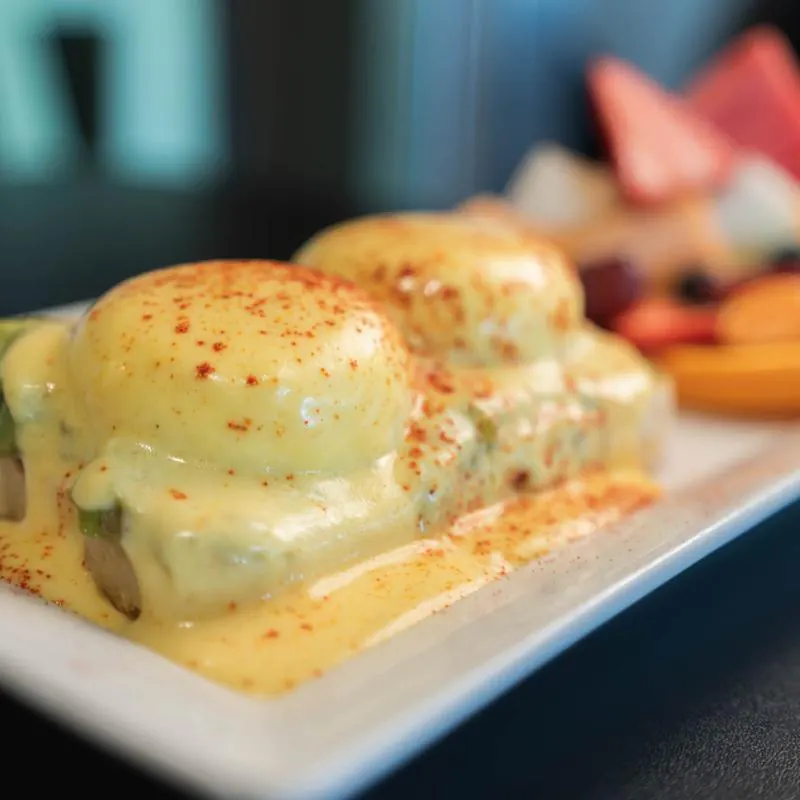
A café is generally an informal place to enjoy refreshments and a meal. Bennies Cafe in Monument serves breakfast and lunch in a counter-service setting, with options including eggs Benedict, sandwiches and crepes. Guests can eat in or arrange pickup.
What is the difference between a coffee shop and a café?
The terms often overlap. A coffee shop usually emphasizes coffee and other drinks, while a café may offer a broader food menu. Check the individual establishment's menu rather than relying on its name. Bennies Cafe offers coffee drinks alongside breakfast and lunch dishes.
What is the difference between café and coffee?
In everyday English, a café is a place where people buy food and drinks, while coffee is the beverage. The word café comes from the French word for coffee. Bennies Cafe serves options such as brewed coffee, espresso and lattes as part of its drinks menu.