How to Price Your Cafe Menu for Profitability
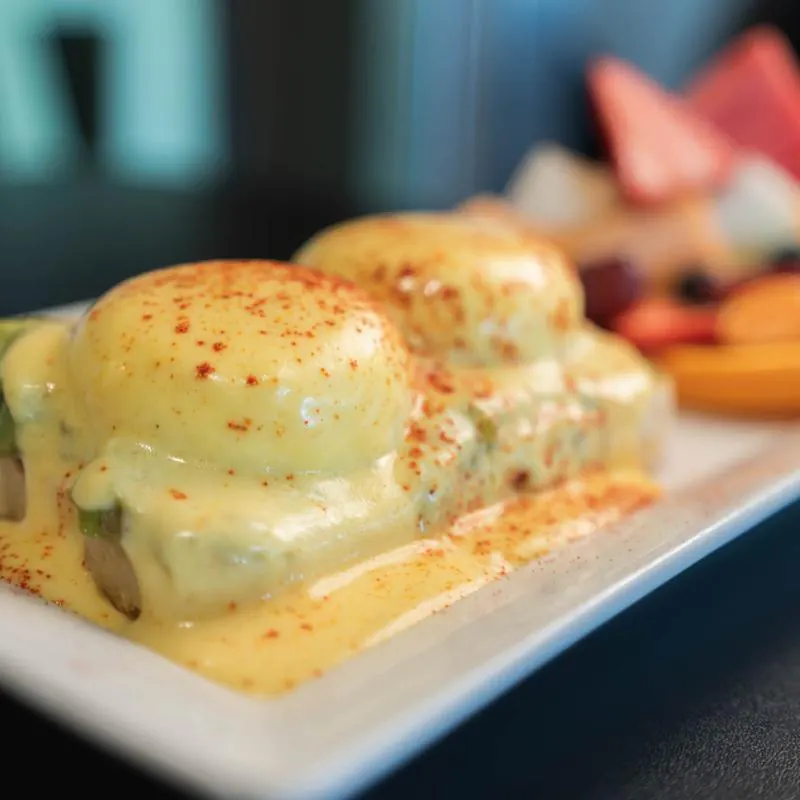
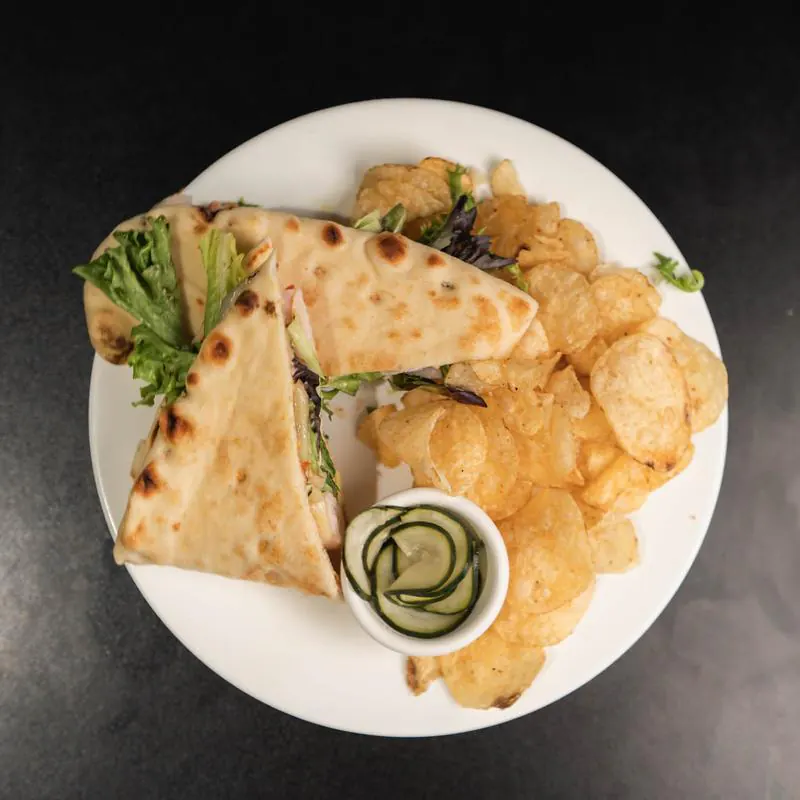
Pricing a cafe menu looks simple from the guest side of the counter. A cappuccino is $4.50, a croissant is $5, a turkey sandwich is $12, and the board goes up. From the owner’s side, it is one of the most sensitive and consequential decisions in the business. Set prices too low and a busy shop can still lose money every day. Set them too high without a clear value story and traffic softens, regulars start editing their orders, and the room loses energy.
The hardest part is that menu pricing is never just math. It is math, positioning, labor, speed of service, neighborhood expectations, ingredient volatility, and customer psychology folded into one decision. The owners who do it well understand both the spreadsheet and the dining room. They know exactly what a latte costs to produce, but they also know whether their guests will accept an extra dollar if the cup size, latte art, atmosphere, and service support it.
A profitable cafe menu starts with clarity. You need to know what each item really costs, what margin your business needs, and where customers see value. Once those three pieces line up, pricing becomes less emotional and much more strategic.
Start with actual costs, not guesses
Many cafe operators underprice because they work from rough instinct rather than current numbers. They remember what milk cost six months ago, use a supplier price from an old invoice, or forget the lid, napkin, syrup pump, and takeaway cup. Those details look minor until they show up across 300 transactions a day.
A small drip coffee might contain only a modest amount of ground coffee, but the full cost includes the beans, filter, cup, lid, sleeve, sugar station supplies, card processing, and waste. A mocha includes espresso, milk, chocolate, whipped topping if you use it, and often more labor time than plain brewed coffee. The same issue shows up in food. A breakfast sandwich is not just eggs, bread, and bacon. It includes oil, sauce, packaging, spoilage, prep time, and the occasional remake when an order gets rung in wrong.
If you do not build pricing from a recipe-level cost, you are working blind.
A practical way to do this is to cost every menu item using the amount actually used in service. If a 64-ounce bottle of vanilla syrup costs $18 and yields roughly 189 one-third-ounce pumps, then each pump costs just under 10 cents. That seems negligible until a 16-ounce flavored latte gets four pumps, and suddenly syrup alone adds close to 40 cents before milk, espresso, cup, and labor. If your current selling price leaves only $1.20 in gross margin after all direct costs, a price that felt reasonable may not be doing enough work.
This process is tedious, but it reveals where the menu is carrying the business and where it is quietly draining it.
Food cost percentage matters, but it is not the whole story
A common rule in foodservice is to target a food cost percentage somewhere around 25 to 35 percent, though the right number depends on the format. Beverage-heavy cafes can often run a different mix than brunch-focused operations with complex kitchens. A simple espresso and pastry counter has very different economics from a full-service neighborhood cafe serving eggs, salads, and made-to-order lunch.
Food cost percentage is useful because it gives structure. If a sandwich costs $3.60 in ingredients and you want a 30 percent food cost, the math points to a selling price of $12. But pricing every item strictly by the same percentage can create bad decisions.
Take two examples. A plain batch coffee might cost very little in ingredients. If you price it only from a target percentage, you may end up with a low number that leaves money on the table, especially if you are in a dense urban market where customers care more about convenience and quality than a 50-cent difference. On the other hand, a premium smoked salmon tartine may have expensive ingredients. Pricing it strictly off a percentage might push it into a range your core guest will not touch at lunch.
The better approach is to use food cost percentage as a guardrail, then apply market judgment. Some items can carry lower percentages because they drive traffic, pair well with other purchases, or establish your identity. Others need stronger margins because they take more labor, create more mess, or sell in lower volume.
That is one reason beverage programs are so important in a cafe. Coffee, tea, and cold drinks often provide healthier margins than labor-intensive food, and they can subsidize parts of the menu that are strategically important but not margin stars.
Labor belongs in the pricing conversation
Ingredient cost is usually the first thing operators measure and the easiest to understand. Labor is where many cafe menus become unprofitable.
A hand-built breakfast bowl that takes six minutes to assemble during the morning rush may be popular, but if it slows ticket times for every other guest, its true cost is far higher than the ingredients suggest. The same goes for drinks with too many custom steps. A menu item can have a good theoretical margin and still be a poor business choice if it creates a bottleneck at the register, espresso bar, or kitchen line.
I have seen cafes keep low-priced items out of loyalty to the original concept, even though the staff dreaded making them and the queue backed up every morning. Removing or repricing those items usually improved both profitability and service speed within a week. Guests often accepted the change more easily than the owner expected.
When pricing menu items, ask not just, “What does this cost?” but also, “What does this interrupt?” If one sandwich requires a grill station, extra prep, and a dedicated finish step while your other lunch items can be built cold in under two minutes, it deserves a higher price. The guest is not only paying for ingredients. They are paying for complexity, skill, and time.
Know your cafe’s position in the market
A cafe on a college block, a suburban commuter corner, and a design-forward specialty coffee shop in a high-rent urban district should not price the same way, even if they use similar beans and milk.
Profitability Cafe depends on fit. If your prices are well above what your market expects and your brand does not justify the difference, you will lose volume. If your prices are well below what your experience supports, you may stay busy but struggle to cover rent, payroll, and equipment maintenance.
The most useful comparison is not the cheapest place nearby. It is the set of businesses customers consider interchangeable with yours. That includes cafes they visit on the same occasion, not just those that sell similar products. If your guests compare you to fast casual lunch spots, bakery cafes, and premium coffee bars in the area, study those price points. Look at the full experience, not just the menu line.
A guest might willingly pay $6.25 for a latte in a bright, well-designed cafe with polished service, strong wifi, comfortable seating, and reliably excellent coffee. The same guest might resent paying $6.25 in a cramped shop with inconsistent drinks and a tired pastry case. Value is contextual. Pricing should reflect the experience you actually deliver, not the experience you hope customers imagine.
Engineer the menu, not just the prices
One of the most profitable shifts a cafe can make is to stop thinking item by item and start thinking in patterns. The goal is not just to make each item profitable. It is to shape the menu so that average ticket, production flow, and customer choice work in your favor.
A cafe menu usually has a few items that anchor perception. Drip coffee, americano, cappuccino, and a basic pastry are often among them. Regulars know these prices. They use them as shorthand to judge whether your shop feels reasonable, premium, or expensive. That means these items deserve careful attention. If you push them too hard, you can create resistance. If you underprice them, you may undermine the entire business.
Then there are the items that lift the check average. Think specialty lattes, seasonal drinks, breakfast sandwiches, grain bowls, lunch combos, and premium pastries. These are the places where thoughtful pricing and strong presentation can materially improve profitability.
Bundling can help here, if used carefully. A coffee and pastry deal may reduce margin on paper but increase attachment rate and speed up decision-making. A lunch combo with a sandwich, side, and iced tea may feel like value to the guest while improving your average transaction size. The point is not to discount randomly. It is to guide people toward profitable purchase patterns.
Descriptive language matters as well. A “ham and cheese croissant” may sell fine. A “butter croissant with smoked ham, aged cheddar, and Dijon” often supports a better price because it gives the guest a clearer sense of quality. Good menu writing does not need hype. It needs precision.
Be careful with low-margin heroes
Every cafe has them. The beloved item everyone talks about, orders often, and assumes must be great for business. Sometimes it is. Sometimes it is barely paying rent.
A house-made quiche, for example, can become a signature. But if it uses expensive dairy and eggs, fluctuating produce, significant prep labor, and limited shelf life, it may be much less profitable than a simpler baked item. A large smoothie menu often creates the same issue. Frozen fruit, alt milks, supplements, and custom modifications add cost and service friction quickly.
That does not mean you should cut every low-margin favorite. Some products earn their place because they define the cafe or bring in a loyal audience. The key is to know their role. If a signature item is weak on margin, make sure something around it compensates. Perhaps most guests order it with coffee. Perhaps it drives repeat visits. Perhaps it supports your brand enough to justify the trade-off. But that should be a deliberate decision, not a blind spot.
I once reviewed a small cafe menu where the top-selling lunch item, a chicken pesto panini, had been priced years earlier when chicken costs were lower and labor was cheaper. It was still the owner’s “safe seller,” but after recalculating the current recipe, the gross profit was surprisingly thin. A modest price increase of $1.50, paired with a side salad upgrade option, improved the item’s contribution without hurting demand. The owner had assumed any increase would upset customers. In practice, most did not notice. The few who did were already committed to the item.
Small increases are often easier than rare large ones
Many owners avoid price changes until they feel unavoidable. By then, the adjustment needed is dramatic enough to alarm customers and staff. A better habit is to review and adjust in small, intentional increments.
Guests generally accept a 25-cent or 50-cent change on beverages more easily than a sudden jump of $1.25. The same principle applies to food, though the size of the increase depends on the price band. Regular, measured changes feel like ordinary business. Delayed, sweeping increases feel like a correction.
This is especially important in categories with unstable inputs. Dairy, eggs, chocolate, and coffee can all move meaningfully over time. If your cafe absorbs every change without revisiting the menu, margins erode quietly. You may still feel busy, but the bank balance tells a different story.
The best operators build price review into the calendar. Quarterly is common for fast-moving costs. Twice a year can work in more stable markets. The frequency matters less than the discipline. Pricing should be managed, not postponed.
Use data from the register, not just instincts from the floor
The floor gives useful signals. You can hear when guests hesitate, see which pastries are left at noon, and notice which drinks flood the bar on hot afternoons. But pricing decisions improve Cafe when those impressions are backed by sales data.
Look at item mix, gross sales by category, attachment rates, and contribution margin. A muffin that sells 200 units a week at a low margin may be more important to the business than a premium tart that sells 18 units at a handsome margin. A signature iced drink may look profitable until you see how often it is modified with costly add-ons. A soup-and-half-sandwich combo may seem popular, but if it disrupts the line and cannibalizes higher-margin lunch items, its real value may be weaker than the sales count suggests.
A few questions often unlock better pricing decisions:
- Which items generate the most gross profit dollars, not just revenue?
- Which products sell consistently across seasons, and which need seasonal pricing or menu rotation?
- Where do guests most often add extras, and are those extras priced properly?
- Which items have strong margins but low visibility on the menu?
- Which low-priced items create traffic, and which simply undercharge loyal customers?
That kind of analysis often leads to small but meaningful changes. You might increase the price of alternative milk, reduce the size of an underpriced cold beverage, raise the price of high-labor brunch items on weekends, or redesign the menu layout so profitable products stand out first.
Portion control quietly protects margin
Cafe owners often focus on the selling price while ignoring inconsistency in the build. An extra ounce of milk, an overfilled fry basket, heavy avocado portions, or two generous pumps of syrup beyond spec can erase margin faster than most people realize.
This becomes especially serious with items made by feel rather than by standard. A seasoned barista may pour beautifully but still overuse milk in every large latte. A prep cook may build sandwiches with uneven protein portions depending on who trained them. None of this shows up on the menu board, but it shows up on the weekly cost of goods.
Pricing only works when execution is consistent. Standard recipes, portion tools, and staff training are not glamorous, but they make menu prices mean something. Without them, the same item can have three different cost structures depending on who is on shift.
Customers also notice inconsistency. If one guest gets a generously filled chicken wrap and another gets a sparse one, trust slips. Good portion control protects both profit and reputation.
Do not ignore taxes, fees, and waste
Margins can vanish in the gap between theoretical cost and real-world cost. Third-party ordering fees, credit card processing, breakage, spoilage, staff meals, comped drinks, and end-of-day pastry waste all belong somewhere in the pricing conversation.
If 12 percent of your daily sales run through a delivery platform with meaningful commissions, you need to decide whether those menu prices should match in-store pricing. Many cafes use higher prices on third-party channels for exactly this reason. The same logic applies to catering, office coffee service, and large online orders that require extra packaging and coordination.
Waste is especially important in cafes because perishability is built into the model. Pastries stale, greens wilt, milk expires, and soups do not always sell through. A menu item with a fine ingredient cost on paper may perform poorly if it is hard to forecast and frequently discarded. That is not just a purchasing issue. It is a pricing issue too.
Communicate value before you communicate higher prices
Guests do not love higher prices, but most are willing to pay fairly when they understand what they are getting. The best defense against pushback is a strong value proposition already visible in the product and experience.
That means coffee quality in the cup, not only on the bag. It means fresh pastry displays, fast service, clean bathrooms, comfortable seating, and staff who know the menu. If you raise prices while the experience feels stagnant, guests notice the mismatch. If you raise prices after improving quality, consistency, or service, acceptance is much easier.
Sometimes the smartest way to improve profitability is not a direct price increase. It may be reducing cup sizes slightly while keeping quality high, streamlining the menu to improve throughput, replacing a costly ingredient with one guests like just as much, or introducing a premium seasonal item that lifts average check without touching core staples.
That kind of nuance is what separates profitable cafes from merely busy ones.
A practical rhythm for reviewing your menu
Pricing should be a regular management practice, not an occasional rescue project. A workable review cycle often looks like this:
- Recost every item using current invoices and actual recipe builds.
- Compare selling price against ingredient cost, labor intensity, and market position.
- Review sales mix and identify which items drive profit, traffic, or operational friction.
- Adjust pricing, portion, or menu design where needed, then monitor guest response for several weeks.
- Repeat on a set schedule so small issues do not become large ones.
That rhythm keeps pricing grounded in reality. It also reduces the emotional charge around menu changes because adjustments become part of normal business stewardship.
Profitability is built into the menu long before the sale
When owners talk about a good day, they often mean the cafe was full, the line moved, and the register rang steadily. Those are healthy signs, but they do not guarantee a healthy business. Profitability is decided earlier, when recipes are built, portions are set, labor is structured, and menu prices are chosen with discipline.
The most resilient cafes do not treat pricing as a one-time exercise or a reluctant response to supplier increases. They treat it as a core operating skill. They know where their margin comes from. They know which items justify their place. They know what their neighborhood will support and what their brand can command. Most of all, they understand that a cafe does not need the cheapest menu to win. It needs a coherent one.
A well-priced menu feels fair to the customer and sustainable to the business. That balance is the target. When you find it, the cafe can keep investing in better ingredients, better staff, better equipment, and a better guest experience. That is what profitability should fund, not just survival, but a stronger shop year after year.
Bennies Cafe
17230 Jackson Creek Pkwy Ste 100, Monument, CO 80132
+1 719-445-0660
FAQ About Cafe
What is considered a café?
A café is generally an informal place to enjoy refreshments and a meal. Bennies Cafe in Monument serves breakfast and lunch in a counter-service setting, with options including eggs Benedict, sandwiches and crepes. Guests can eat in or arrange pickup.
What is the difference between a coffee shop and a café?
The terms often overlap. A coffee shop usually emphasizes coffee and other drinks, while a café may offer a broader food menu. Check the individual establishment's menu rather than relying on its name. Bennies Cafe offers coffee drinks alongside breakfast and lunch dishes.
What is the difference between café and coffee?
In everyday English, a café is a place where people buy food and drinks, while coffee is the beverage. The word café comes from the French word for coffee. Bennies Cafe serves options such as brewed coffee, espresso and lattes as part of its drinks menu.