Seasonal Drinks to Try at a Cafe in Monument, CO
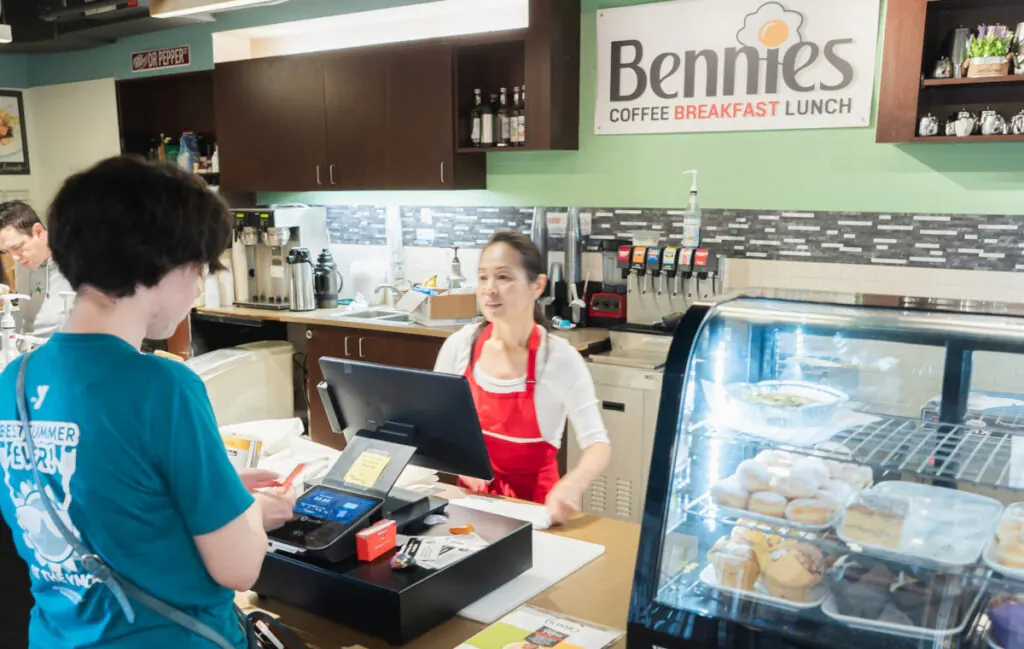

There is a certain kind of morning in Monument when the weather tells two stories at once. The sun comes up bright over the Front Range, the air looks clean enough to ring like glass, and yet the chill still sits in the shade. On days like that, a plain cup of coffee does the job, but a seasonal drink does something better. It meets the moment.
That is part of the appeal of ordering seasonally at a local cafe. The menu shifts with the altitude, the light, the temperatures, and even the habits of the people coming through the door. In a place like Monument, where winter can linger, spring arrives in fits, summer afternoons feel crisp after sunset, and fall seems made for long sleeves and warm cups, seasonal drinks are not gimmicks. At their best, they reflect where you are.
If you are looking for a memorable drink at a Cafe Monument, CO visitors and locals both appreciate, it helps to know what tends to shine during each part of the year. Not every seasonal special is worth the upcharge. Some lean too sweet, some drown out the coffee entirely, and some sound better on the menu board than they taste in the cup. The drinks below are the ones that tend to hold up, especially when made well, with balanced syrups, fresh spices, and espresso that still tastes like espresso.
Why seasonal drinks work so well in Monument
Monument sits in a climate that rewards variety. Higher elevation changes the way people experience both heat and cold. A drink that feels heavy in a humid city can feel just right here. At the same time, dry air sharpens flavors. Cinnamon, orange zest, cocoa, cardamom, peppermint, and browned sugar all come through clearly when they are used with restraint.
That balance matters. Good seasonal drinks are rarely about adding more of everything. They succeed because they are tuned. A fall latte should taste like coffee first, then spice. A winter mocha should deliver warmth without turning into liquid dessert. A spring drink should feel fresh, not thin. Summer cold drinks should refresh without watering down before you finish them.
This is also why local cafes often do seasonal menus better than chains. Smaller shops can adjust recipes quickly. If a lavender syrup is coming across too floral, the barista can cut it back. If a maple drink tastes flat, they can add a pinch of salt or pull the espresso slightly differently to bring structure back into the cup. Those are small decisions, but anyone who drinks coffee regularly can taste the difference.
Fall drinks that actually deserve their reputation
Fall gets most of the attention in seasonal drink culture, and for good reason. In Monument, the first truly cool stretch of weather makes people reach for spice almost automatically. Still, not every autumn drink earns repeat orders.
The pumpkin latte, when done properly, remains hard to beat. The phrase “when done properly” does a lot of work here. A good version tastes of real spice, maybe clove, cinnamon, nutmeg, and ginger, with pumpkin acting as a mellow base rather than a loud flavor. The problem with many pumpkin drinks is that they arrive oversweet and oddly candied, as though someone dissolved a pie-scented candle in milk. The better cafes keep the sweetness low enough that the espresso can still cut through. If you can smell spice before sugar when the drink hits the table, that is usually a good sign.
Maple lattes are often even better suited to Colorado fall. Maple brings warmth without the one-note sweetness that can flatten pumpkin drinks. It also pairs beautifully with darker espresso roasts, especially on cold mornings. In practice, a maple latte tends to feel a little more grown-up. It is cozy, but not cloying. If the cafe uses a house-made maple syrup or a quality maple flavor with a pinch of sea salt, the drink gains depth quickly.
Apple-based espresso drinks are less common, but they can be excellent when handled carefully. Apple and coffee are not an obvious pair, which is exactly why they can be memorable. The trick is restraint. A little apple cider reduction or a whisper of spiced apple syrup can add brightness and lift, while too much turns the drink into a confused mug of warm juice with espresso dropped into it. In a local Cafe Monument, CO coffee drinkers often gravitate toward drinks that feel seasonal without becoming novelty items, and a balanced apple chai or apple-cinnamon steamer often lands better than an aggressive apple latte.
Then there is the chai conversation, which belongs to fall almost as much as coffee does. A dirty chai, made with black tea concentrate, steamed milk, and a shot or two of espresso, is one of the most reliable cool-weather orders on any menu. It offers spice, body, and caffeine without becoming syrupy. In a mountain-adjacent town where mornings can start below freezing, that combination makes sense.
Winter favors richness, but not heaviness
By winter, people tend to want drinks that feel substantial. That does not mean every order needs chocolate, whipped cream, and a handful of crushed candy on top. The most satisfying winter drinks usually have depth rather than sheer sweetness.
A classic mocha is the first place to start. It is common enough that many people overlook it, but a good mocha can be better than nearly any seasonal special. Real chocolate, or a well-made chocolate sauce, adds bitterness, aroma, and weight that play naturally with espresso. In the colder months, that matters. The drink feels warming in a way vanilla-based lattes often do not. If you like stronger coffee flavor, asking for an extra shot in a mocha is one of the easiest upgrades you can make. The extra espresso keeps the drink structured all the way to the last sip.
Peppermint mochas come into their own in winter, though they benefit from a light hand. Peppermint is powerful. Too much and it bulldozes everything else, leaving the drink tasting like melted candy cane. The better version lets the mint stay in the background, cooling the finish rather than taking over the cup. One useful test is whether you can still identify the cocoa separately from the mint. If you can, the recipe is probably balanced.
A honey cinnamon latte is a quieter winter option, but often a better daily drink. Honey softens sharp edges in espresso and works especially well with oat milk, which has its own natural sweetness and texture. Cinnamon adds warmth without becoming aggressive. This kind of drink appeals to people who want something seasonal but not flashy. It is also easier to drink regularly, which matters if you stop by the same cafe several times a week.
Brown sugar lattes deserve mention here too. Brown sugar carries a slight molasses note that fits cold weather beautifully. It can make a drink feel rounder and fuller without tasting obviously flavored. Cafes that pair brown sugar with cinnamon or a touch of smoked salt often produce the kind of winter special customers talk about for months afterward.
For non-coffee drinkers, winter is when a properly made hot chocolate can reveal how seriously a cafe treats its beverage program. Powdered mixes have their place, but a cafe that melts chocolate or uses a rich sauce and steams the milk carefully will serve something entirely different. The texture is silkier, the chocolate tastes layered rather than flat, and the drink holds heat longer. Add peppermint, orange, or a touch of chili, and it becomes unmistakably seasonal without trying too hard.
Spring should feel brighter, not weaker
Spring menus are where many cafes either become interesting or play it safe. Winter drinks are easy to market. Fall practically sells itself. Spring requires more finesse. People want freshness, but they still need a morning drink that tastes satisfying in cool weather.
Lavender lattes are a familiar spring standby, and when done well they are elegant. When done poorly, they taste like soap. That is not an exaggeration. Lavender has to be treated more like a garnish than a dominant flavor. In coffee, it works best as an aromatic accent that lifts vanilla or honey rather than replacing them. If the cafe uses culinary lavender sparingly, the result can be floral, calming, and distinct. If the syrup is too strong, the drink becomes difficult to finish.
Vanilla rose drinks sit in a similar category. They can be lovely, especially in a latte with a light roast espresso, but they require restraint and confidence from whoever builds the recipe. Rose should show up as fragrance before flavor. Anything more and the drink risks crossing into perfume territory. Some cafes sidestep that issue by pairing floral notes with white chocolate, which adds body and rounds the edges. That can work, though it also nudges the drink sweeter than some customers want first thing in the morning.
Citrus has real potential in spring drinks, especially orange. Orange and espresso have a long history together, and for good reason. The bittersweet citrus character can sharpen the coffee and make the drink feel lively. You may see orange mochas in spring, and they are often worth trying. Chocolate and orange is a proven pairing, but espresso is what ties them together. In Monument, where spring can still bring brisk mornings and the occasional late snow, a drink with citrus brightness and chocolate depth makes more sense than an icy fruit-forward special.
Matcha also tends to gain ground in spring. Even people who are not regular matcha drinkers often find themselves drawn to it after a heavy winter of darker, richer drinks. A strawberry matcha, honey matcha latte, or lavender matcha can work well, provided the ingredients are fresh and the sweetness stays moderate. Matcha punishes bad technique quickly. If it is clumpy, overheated, or buried in syrup, the drink loses the grassy, gently bitter quality that makes it appealing in the first place.
Summer in Monument calls for cold drinks with structure
Summer in Monument does not usually bring the same heavy, humid heat found in lower, wetter places. Days can be warm, but mornings are often mild, and evenings cool off quickly. That makes summer cafe drinks a little more versatile. You can still enjoy iced drinks without feeling as if hot coffee season has vanished.
Cold brew is the obvious warm-weather staple, but it is not automatically the best. A lot depends on brew time, bean choice, and dilution. When done right, cold brew tastes smooth, chocolatey, and low in acidity. It is easy to drink quickly, which is both its advantage and its danger. Because it often contains a high caffeine load, what feels like a casual order at 2 p.m. Can become a regrettable decision by bedtime. For that reason, smaller sizes are often smarter than people think, especially at altitude, where dehydration sneaks up faster than expected.
Iced vanilla or iced honey lattes remain the most dependable summer espresso drinks. They are cold, straightforward, and easy to balance. The best versions avoid excessive syrup and rely on the natural sweetness of milk to carry the drink. A double shot over ice with just enough flavor to soften the edges often tastes more refreshing than a heavily customized iced concoction with four add-ins fighting for attention.
Seasonal summer specials usually improve when fruit enters the picture carefully. A blackberry mocha, raspberry cold foam latte, or peach iced tea can be excellent. The key word is “carefully.” Fruit syrups can turn sticky and artificial fast. If a cafe uses real fruit purée, house syrup, or even a restrained concentrate, the drink keeps its freshness. If not, the result often tastes more like candy than fruit. Among coffee drinks, berry notes tend to work best when they accent cold foam or chocolate rather than mixing directly into espresso.
Espresso tonics have built a following for good reason. They are bright, bitter, lightly sweet, and genuinely refreshing. In a town like Monument, where outdoor plans often begin early and continue through the afternoon, an espresso tonic fits better than a milk-heavy drink for many people. It is especially good if the cafe adds citrus peel, rosemary, or a touch of seasonal syrup. That said, it is not for everyone. The bitterness can surprise people expecting something smooth and creamy.
For a summer order at a Cafe Monument, CO residents might return to all season, iced chai is worth serious consideration. It holds up well in the cold, keeps its spice, and does not rely on dairy richness to feel complete. A dirty iced chai with one shot of espresso is one of those practical drinks that tastes indulgent while still being functional enough for a workday.
How to choose a seasonal drink without being disappointed
The menu description rarely tells the whole story. Two drinks can share the same name and taste completely different depending on the cafe. If you want the best chance of getting something you will actually enjoy, a little judgment goes a long way.
Pay attention to how the seasonal flavor is framed. If the drink description leads with coffee and then mentions spice, chocolate, maple, or citrus, it usually means the espresso is still central. If the description reads like a dessert menu first and a coffee menu second, the drink is more likely to be sweet than balanced.
It also helps to think about milk choice. Whole milk carries spice and syrup differently than oat milk does. Oat milk tends to sweeten and soften, which can be a plus with stronger espresso or bitter cocoa. Almond milk can emphasize spice nicely, though it sometimes thins the body. Nonfat milk, while perfectly serviceable, often leaves seasonal drinks tasting sharper and less rounded.
The size matters more than customers often realize. Many seasonal drinks are most balanced in a medium size. Small can make syrup or spice feel too concentrated. Large can dilute the espresso and turn the drink milky. If you are trying a flavor for the first time, the middle option is usually the safest bet.
A few practical questions can save an order:
- Is the syrup house-made or from a bottle?
- How sweet is this drink compared with a regular vanilla latte?
- Does the flavor pair better with hot or iced?
- Would you recommend an extra shot?
- Is there a milk that works best with it?
A good barista will usually answer clearly, and their answer often tells you a lot about the drink itself. If they hesitate when asked how sweet something is, there is a decent chance it leans sugary.
Pairing the drink with the day
One underrated part of choosing seasonal drinks is matching the cup to the occasion. The right order for a quick school-dropoff coffee run is not always the right one for a long Saturday morning or an afternoon meeting.
For early winter mornings, richer drinks like mochas, brown sugar lattes, or dirty chai tend to hold up best because they provide comfort and substance. For spring afternoons, brighter profiles such as orange mocha, lavender honey latte, or iced matcha often feel more appropriate. In summer, especially before a hike or a day of errands, cold brew and espresso tonics bring refreshment with less heaviness. During fall weekends, pumpkin, maple, and apple-spice drinks often fit the mood almost perfectly, especially if the air has that dry, crisp edge Monument does so well.
Food changes the equation too. A sweet pastry can make a sweet drink taste clumsy. If you are ordering a cinnamon roll, coffee cake, or muffin, a less sugary beverage usually performs better. On the other hand, if you are having a savory breakfast sandwich, a maple or mocha drink may feel balanced rather than indulgent.
What makes a local seasonal menu worth trusting
Not every cafe needs a dozen rotating specials. In fact, too many seasonal drinks can be a warning sign. A thoughtful menu with three or four well-tested options often delivers better results than a board crowded with novelty flavors. The strongest cafes know their base coffee, understand how their syrups behave, and build drinks around what regular customers actually want to order more than once.
There is also a difference between a drink that photographs well and one that drinks well. Monument has plenty of visitors passing through, especially during busy travel periods, and eye-catching beverages have their place. But for locals, repeatability matters. People come back for the maple latte that tastes balanced every time, the peppermint mocha that stays crisp instead of syrupy, the spring floral drink that remains subtle, and the summer iced latte that still tastes like coffee after the ice begins to melt.
That is the standard seasonal drinks should meet. They should capture the time of year, yes, but they should also be good enough to order twice in one week without regret.
When a cafe gets that balance right, the menu becomes more than a set of specials. It becomes part of the rhythm of the town. The first pumpkin spice order when the air turns cold. The winter mocha after a Cafe Monument, CO windy morning. The lavender latte that finally feels right when spring begins to stick. The iced espresso tonic that tastes like a clear July afternoon.
Those are the drinks worth seeking out at a Cafe Monument, CO coffee lovers can count on, not because they are trendy, but because they suit the place, the weather, and the way people here actually live.
Bennies Cafe
17230 Jackson Creek Pkwy Ste 100, Monument, CO 80132
+1 719-445-0660
FAQ About Cafe Monument, CO
What is considered a café?
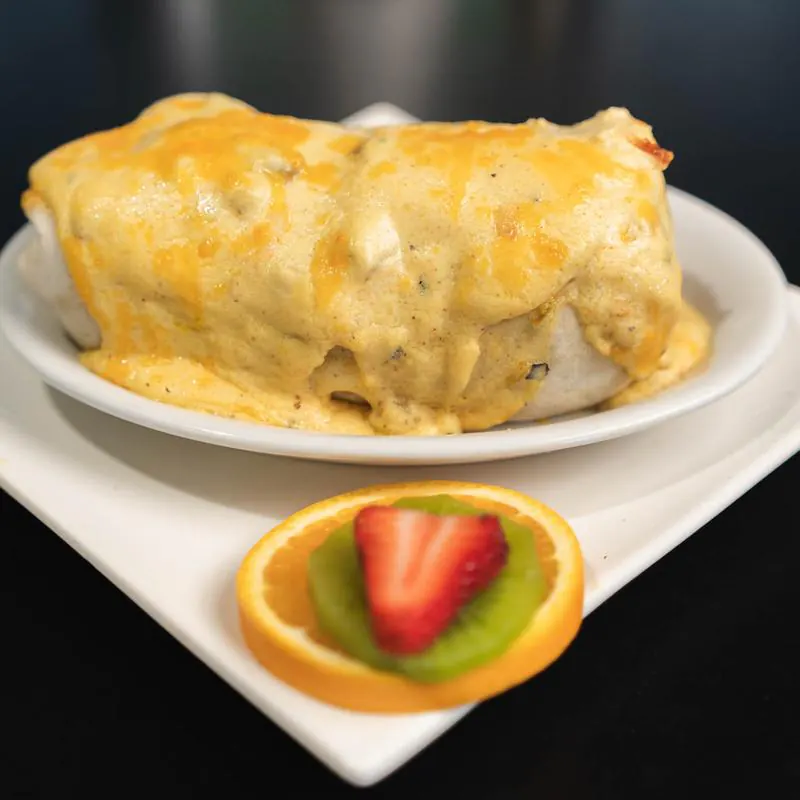
A café is generally an informal place to enjoy refreshments and a meal. Bennies Cafe in Monument serves breakfast and lunch in a counter-service setting, with options including eggs Benedict, sandwiches and crepes. Guests can eat in or arrange pickup.
What is the difference between a coffee shop and a café?
The terms often overlap. A coffee shop usually emphasizes coffee and other drinks, while a café may offer a broader food menu. Check the individual establishment's menu rather than relying on its name. Bennies Cafe offers coffee drinks alongside breakfast and lunch dishes.
What is the difference between café and coffee?
In everyday English, a café is a place where people buy food and drinks, while coffee is the beverage. The word café comes from the French word for coffee. Bennies Cafe serves options such as brewed coffee, espresso and lattes as part of its drinks menu.